
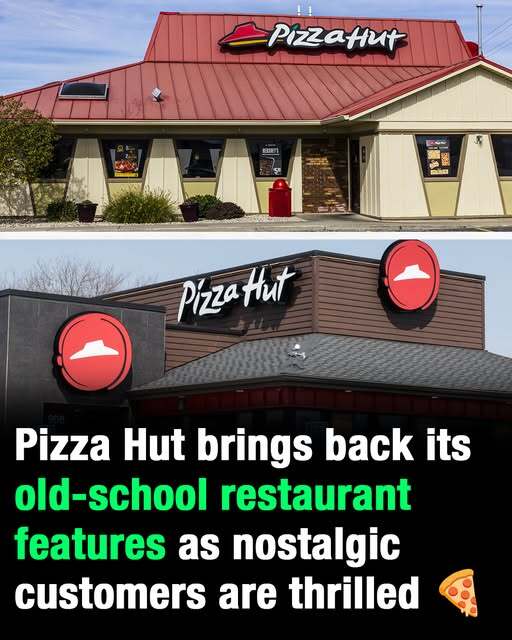
There is a specific, potent aesthetic that defines the collective memory of the nineteen-eighties and nineties, a period marked by vibrant colors, the mechanical hum of arcade machines, and the undeniable warmth of a neighborhood gathering spot. For a generation that grew up in the shadow of the classic red-roofed Pizza Hut, the modern restaurant experience—defined by cold kiosks, aggressive delivery efficiency, and the sterile, uniform layout of minimalist chains—often feels deeply hollow. However, a quiet, grassroots movement has emerged that is turning back the clock. People are now driving hundreds of miles, crossing state lines, and waiting in long lines to step inside restored, vintage Pizza Hut locations that look, feel, and sound exactly like the childhood portals they remember.
The first glimpse of one of these restored locations is almost surreal. As you approach, the glowing red roof rises against the night sky, a silhouette so iconic that it triggers an immediate, visceral recognition in anyone who spent their youth seeking out a pan pizza. Inside, the magic is even more pronounced. The air doesn’t smell like the rushed, synthetic scent of high-speed fast food; instead, it is thick with the aroma of yeast, melted cheese, and the unmistakable, nostalgic tang of pepperoni. In the corner, a Pac-Man cabinet hums with its rhythmic, electronic chirp, and families aren’t hunched over smartphones or checking their notifications. They are sitting in deep, plush red booths, illuminated by the soft, amber glow of Tiffany-style lamps, and they are doing the one thing that has become an endangered species in the digital age: they are actually talking to each other.
At the heart of this unexpected nostalgia movement is Tim Sparks, a visionary who recognized that the hunger people felt was not just for the food itself, but for the atmosphere that once defined the American dining out experience. Sparks is not merely interested in refurbishing old buildings; his goal is to restore a feeling that millions of people assumed had disappeared forever under the weight of the digital revolution. He is part of a growing contingent of individuals who believe that the architectural and atmospheric details—the stained-glass lamps, the iconic booths, the dedicated arcade corners—are essential elements of a cultural landscape we cannot afford to lose. Piece by piece, location by location, these retro spots are being resurrected.
For many visitors, the experience of entering one of these restored dining rooms is deeply, unexpectedly emotional. People are not just coming for the pizza; they are making a pilgrimage to reconnect with versions of themselves that have been buried under the demands of modern adulthood. For some, the red plastic cups filled with ice-cold soda bring back memories of boisterous birthday parties surrounded by friends who hadn’t yet been separated by the miles of adulthood. For others, it is about reclaiming the quiet, predictable safety of a weeknight dinner with parents, or the thrill of a first date that didn’t revolve around a screen. It is an atmosphere where dining out once felt like a true event—a scheduled, intentional, and communal experience—rather than the rushed, transactional convenience that currently dominates our lives.
The contrast with contemporary restaurant culture is impossible to ignore. Today, the industry prioritizes throughput. We order via apps, we grab our food from kiosks, and we are incentivized to leave as soon as the last bite is finished so the next customer can take our place. The dining rooms of most modern chains are designed for maximum efficiency rather than human personality; they are cold, interchangeable spaces that could be anywhere and nowhere at the same time. The restored Pizza Hut locations operate on a completely different philosophy. They are built for lingering. They encourage families to sit together, to order an extra pitcher of soda, and to let the conversation stretch out past the point of necessity. The red booths and the dimmed lighting create a sense of enclosure that makes the outside world feel miles away, turning the meal into a sanctuary.
Parents who visit these locations with their own children often find themselves surprised by the transformation they see in their kids. In an environment that doesn’t demand engagement with an app, children are frequently seen putting down their devices to play the arcade games or to actually participate in the conversation unfolding around the table. It is a striking visual testament to the power of our environment to dictate our behavior. When the setting encourages connection, people naturally connect. Older couples, meanwhile, often spend hours revisiting memories from earlier chapters of their lives, reclaiming evenings that once revolved around shared stories instead of the constant, flickering distraction of incoming texts and social media alerts.
Some of the most dedicated customers express a hope that these restaurants will go even further, fully reviving the classic pizza recipes and the original buffet experiences of the past. There is a deeply ingrained belief among these fans that the food itself is a primary part of the emotional connection, that the specific flavor profile of the nineteen-eighties is inextricably linked to the memories of the people they were when they first tasted it. While the brand has evolved, the heart of this movement is a desire for a return to authenticity, a demand for food that is prepared with the same level of care that the architecture suggests.
Ultimately, what makes these retro Pizza Hut revivals so remarkably powerful is that they are not just marketing exercises for a brand; they are expressions of a collective yearning for a slower, more connected, and more tactile version of life. We are living in an era that feels increasingly fragmented, isolated, and overwhelmed by the pace of technological change. We are looking for anchors. We are looking for places that feel like home because they remind us of a time when we felt more present, more secure, and more grounded in our immediate reality.
For a few precious hours, inside those red-roofed dining rooms, it feels as though the world hasn’t changed quite so much. The glow of the Tiffany lamps and the familiar, warm embrace of the enclosed booths create an environment where nostalgia becomes a tangible, comforting weight. It is a reminder that we have not lost our ability to sit, to listen, and to share; we have simply lost the places that make it feel natural to do so. These locations are providing us with a rare gift—a chance to step back into the past, if only for the duration of a meal, and to reclaim the human connection that we seem to be losing in our rush toward the future. It is a powerful, necessary, and deeply human movement, and as long as the red roof continues to glow in the night, there will be someone pulling into the parking lot, looking for a way back to a moment that, in their heart of hearts, never really ended.
Leave a Reply